

The United Nations Economic Commission for Africa (ECA) has hailed the Nigeria–Morocco gas pipeline project, describing it as a major initiative for expanding energy access across Africa.
The commission said the ambitious infrastructure project, expected to connect 13 African countries, would strengthen regional energy connectivity and support economic development.
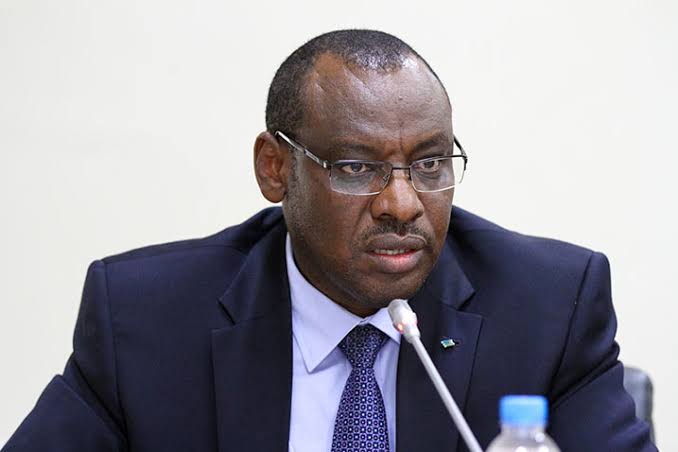
ECA Executive Secretary, Claver Gatete, made the remarks during an interactive dialogue with the UN General Assembly’s Second Committee in New York.
The meeting, held under the theme, “Regional cooperation in an age of fragmentation,” examined how trade, transport and connectivity could accelerate sustainable development.
Gatete identified the Nigeria–Morocco gas pipeline as an important example of cross-border energy infrastructure capable of addressing Africa’s persistent electricity shortages.
He said the commission particularly appreciated the initiative, which was expected to extend natural gas supplies across West Africa and beyond.
Gatete described it as “the gas pipeline which cuts 13 countries,” adding that it would eventually provide energy to many other African countries.
The UN official made the remarks while responding to questions from Member States on regional infrastructure, development financing and economic integration.
The Nigeria–Morocco gas pipeline, also known as the African Atlantic Gas Pipeline (AAGP), is a strategic project jointly initiated by Nigeria and Morocco in 2016.
The project is designed to transport Nigerian natural gas through West African countries to Morocco, with the possibility of extending supplies to European markets.
According to ECOWAS, the proposed pipeline network will span approximately 6,800 kilometres, including about 5,100 kilometres of offshore infrastructure.
The regional organisation estimated the project’s cost at approximately 26 billion dollars, describing it as a major investment in regional energy security.
ECOWAS said the infrastructure would help expand electricity generation, stimulate industrialisation, strengthen agricultural production and create employment opportunities across participating countries.
Gatete said Africa’s inadequate electricity supply remained a major obstacle to attracting investment and achieving the continent’s economic transformation objectives.
He disclosed that approximately 600 million Africans still lacked access to electricity, underscoring the urgent need for substantial investments in energy infrastructure.
The ECA chief emphasised the importance of regional power pools, explaining that interconnected electricity systems could create more attractive environments for investors.
He identified energy connectivity, alongside domestic resource mobilisation and improved creditworthiness, as essential requirements for Africa’s sustainable development.
On continental economic integration, Gatete disclosed that 50 African countries had ratified the African Continental Free Trade Area (AfCFTA) agreement.
He said 44 of the agreement’s 54 signatories had developed national implementation strategies with technical support from ECA.
According to him, intra-African trade currently accounts for approximately 17 per cent of the continent’s trade, considerably below comparable levels in Asia and Europe.
Gatete said the commission was supporting the development of regional value chains to enable African countries to process their resources, expand manufacturing and trade more competitively.
He maintained that strengthening energy infrastructure, regional trade and connectivity would help Africa translate its abundant natural resources into industrial development and sustainable economic growth.

