

The Major Oil Marketers Association of Nigeria (MOMAN) has advocated the need for strong regulation of the sale and distribution of Liquefied Petroleum Gas (LPG),saying the development would check the alarming level of gas explosion in Nigeria.Its chairman, Mr. Tunji Oyebanji,gave the advice at a zoom conference on the “Challenges and Impact of a Deregulated Downstream Sector on Nigeria’s economy’’. hosted by the National Association of Energy Correspondents (NAEC).
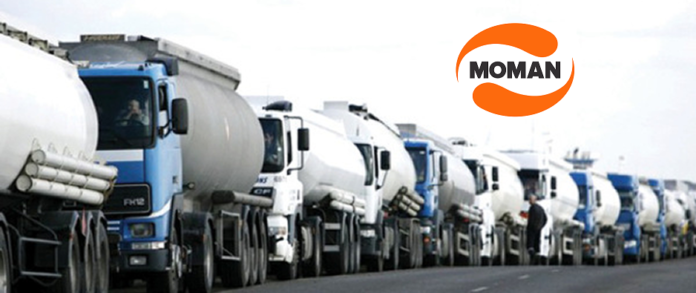
He also expressed grave concerns over the multiplicity of cooking gas plants in the country and usage of unsafe trucks in conveying petroleum products.
“Most of these trucks do not have modern safety gadgets in case of a roll over.They don’t have tracking devices because their owners don’t have funds to invest on new fleets.We believe that with the deregulation of the downstream sector, more investments will come in across the value chain,’’.
He expressed his association’s support for the deregulation of the downstream section but emphasized the need to ensure that the quality of petroleum products being sold to customers should be regulated to ensure that they meet the minimum standards.He also said said some of government’s agencies that existed before deregulation came into force must give way to the new reality of market forces of petroleum products in the country.
He announced that his association is partnering with the National Assembly and the Ministry of Petroleum Resources with a view to ensuring that the Petroleum Industry Bill (PIB) would enhance the development of the industry when passed into law.
He added that the proposed petroleum legislation would create a new regulator that would focus solely on the downstream sector unlike the Department of Petroleum Resources (DPR).
He also explained that the deregulation of the downstream sector and the passage of the PIB would encourage more investments in Nigeria’s oil and gas industry and make the country a refining hub in West Africa sub region
“Investors were not encouraged to invest because our market was not deregulated and there was lack of governance policy and regulations.Deregulation is a win-win for the Nigerian consumer, we as industry stakeholders and the country as a whole.Now that subsidy has been removed, government should deploy the funds on road construction, healthcare, education and other areas for the benefit of Nigerians.’’
He noted that the scrapping of subsidy on petrol had discouraged smuggling of the product across the borders as well as limited the drain on the nation’s foreign exchange reserves.
He advised the federal government to create a level playing field for importation of fuel into the country in order not to defeat the purpose of the deregulation,adding that:”Deregulation works best when there are many players. The competition will help drive lower prices for the benefit of Nigerians”
Speaking,Mr Ugo Amadi, Acting Chairman, NAEC, explained that the zoom conference was organised to appraise the import of the deregulation of the downstream sector on Nigeria’s economy.
Amadi,who said the country was plagued by multiple challenges such as the COVID-19 pandemic, low oil earnings, threats of terrorism, among others,emphasized the need for the government to take decisions that would add value to the lives of the citizens.ost of The Gas in Nigeria do not Have Modern Equipment- Oyebanji The Major Oil Marketers Association of Nigeria (MOMAN) has advocated the need for strong regulation of the sale and distribution of Liquefied Petroleum Gas (LPG),saying the development would check the alarming level of gas explosion in Nigeria.Its chairman, Mr. Tunji Oyebanji,gave the advice at a zoom conference on the “Challenges and Impact of a Deregulated Downstream Sector on Nigeria’s economy’’. hosted by the National Association of Energy Correspondents (NAEC).
He also expressed grave concerns over the multiplicity of cooking gas plants in the country and usage of unsafe trucks in conveying petroleum products.
“Most of these trucks do not have modern safety gadgets in case of a roll over.They don’t have tracking devices because their owners don’t have funds to invest on new fleets.We believe that with the deregulation of the downstream sector, more investments will come in across the value chain,’’.
He expressed his association’s support for the deregulation of the downstream section but emphasized the need to ensure that the quality of petroleum products being sold to customers should be regulated to ensure that they meet the minimum standards.He also said said some of government’s agencies that existed before deregulation came into force must give way to the new reality of market forces of petroleum products in the country.
He announced that his association is partnering with the National Assembly and the Ministry of Petroleum Resources with a view to ensuring that the Petroleum Industry Bill (PIB) would enhance the development of the industry when passed into law.
He added that the proposed petroleum legislation would create a new regulator that would focus solely on the downstream sector unlike the Department of Petroleum Resources (DPR).
He also explained that the deregulation of the downstream sector and the passage of the PIB would encourage more investments in Nigeria’s oil and gas industry and make the country a refining hub in West Africa sub region
“Investors were not encouraged to invest because our market was not deregulated and there was lack of governance policy and regulations.Deregulation is a win-win for the Nigerian consumer, we as industry stakeholders and the country as a whole.Now that subsidy has been removed, government should deploy the funds on road construction, healthcare, education and other areas for the benefit of Nigerians.’’
He noted that the scrapping of subsidy on petrol had discouraged smuggling of the product across the borders as well as limited the drain on the nation’s foreign exchange reserves.
He advised the federal government to create a level playing field for importation of fuel into the country in order not to defeat the purpose of the deregulation,adding that:”Deregulation works best when there are many players. The competition will help drive lower prices for the benefit of Nigerians”
Speaking,Mr Ugo Amadi, Acting Chairman, NAEC, explained that the zoom conference was organised to appraise the import of the deregulation of the downstream sector on Nigeria’s economy.
Amadi,who said the country was plagued by multiple challenges such as the COVID-19 pandemic, low oil earnings, threats of terrorism, among others,emphasized the need for the government to take decisions that would add value to the lives of the citizens.

