

By Alexander Ekemenah
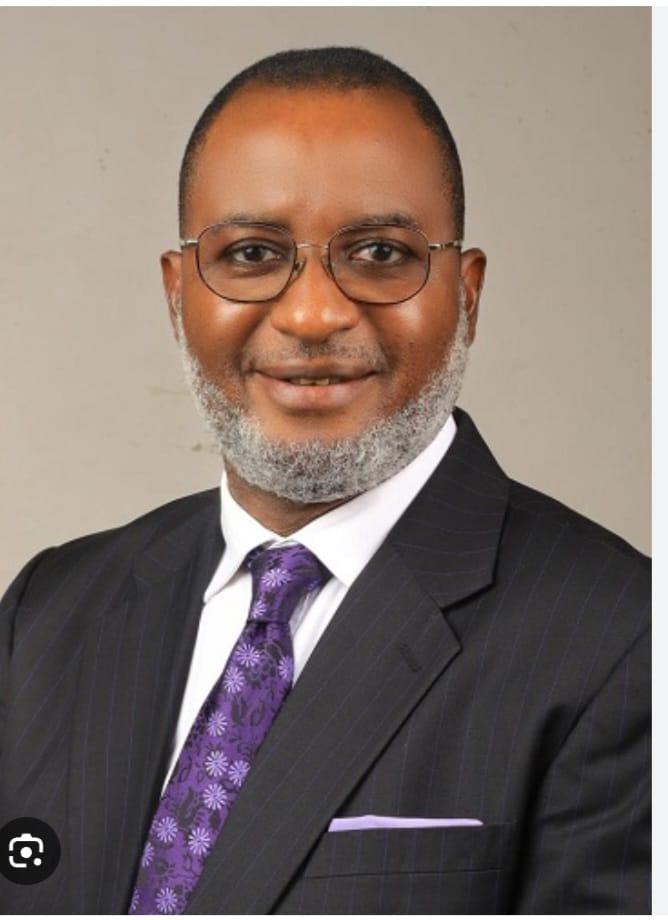
Professor Abiola Sanni, Dean, Faculty of Law, University of Lagos and Professorial Chair of Lagos State Professorial Chair in Tax and Fiscal Matters Trust Fund, has called for strengthening tax reform and administration at the state level, including harmonisation of the various tax laws at the state level to comply with the federal framework on tax and taxation matters.
He made this clarion call at the 2026 Lagos State Professorial Chair in Tax and Fiscal Matters Trust Fund held at Tayo Aderinokun Hall of the University of Lagos, recently.
In the lecture titled: “Navigating Nigeria’s Tax Reform: Implications for Fiscal Federalism and State Autonomy,” Sanni argued that “many of the most enduring challenges in Nigeria’s tax system: multiple taxation, informal revenue collection, and taxpayer harassment are rooted at the sub-national level and cannot be resolved by federal legislation alone.
“Sustainable reform, therefore, requires States to take full ownership of their constitutional taxing powers and to pursue deliberate institutionally grounded tax reforms”, he said.
In the lecture, chaired by Chief Wole Olanipekun, chairman of the Governing Council of University of Lagos, Professor Sanni further stated that Nigeria’s evolving tax reform framework through the lens of fiscal federalism, constitutional structures and institutional design has involved “a persistent tension between administrative efficiency and revenue optimisation on the one hand, and fidelity to constitutional limits and federal balance on the other.
“The central lesson is clear: fiscal reform in a federation cannot succeed through administrative ingenuity alone; it must rest on constitutional legitimacy, institutional clarity, and genuine inter-govermental cooperation”, he stated
Sanni also stated that the unresolved constitutional status of Value Added Tax remains the most significant fault line in Nigeria’s fiscal architecture.
“While pragmatic consideration explains the temporary retention of a federally administered VAT, the current arrangement imposes real fiscal costs on states and perpetuates legal uncertainty, he stated, adding that “without constitutional clarification, the VAT regime remains vulnerable to judicial disruption and policy instability”.
Professor Sanni further stated that “Nigeria’s fiscal sustainability and holistic development ultimately depend on the seriousness with which each tier of government embraces its constitutional responsibility to reform its own tax system.
“Only when all levels of government take ownership of tax reform within their respective spheres can taxation function as a true instrument of development, equity, and long-term stability.”

